How to Clean a Memory Foam Mattress | Complete Guide in 2026
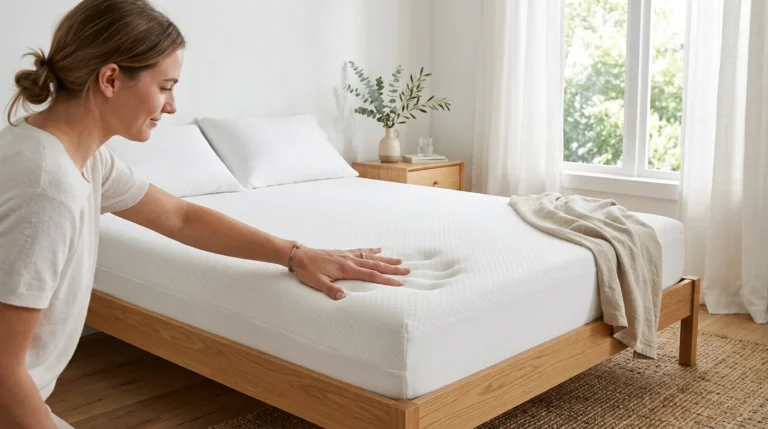
Memory foam needs a gentler approach than a regular mattress. The same viscoelastic, open-cell foam that makes it so comfortable also soaks up liquid like a sponge and dries painfully slowly — so the usual instinct to scrub, soak, or steam a stain is exactly what damages it and leaves moisture trapped inside, where mold grows. Clean it the right way, though, and it’s actually simple.
To clean a memory foam mattress, strip and wash the bedding, vacuum the surface, deodorize it with baking soda, then spot-clean any stains with a barely-damp cloth and a mild dish soap solution. Never soak it, never machine wash it, and never use a steam cleaner — and always let it dry completely before remaking the bed. Here’s the full method, plus what to use and what to avoid.
Before you start: the memory foam rules
Memory foam is different from an innerspring mattress in three ways that change how you clean it:
- It absorbs and holds water. Too much liquid sinks deep into the foam and takes days to dry.
- It’s slow to dry. Trapped moisture leads to mold and mildew you can’t see until it smells.
- Heat and harsh chemicals break it down. No steam cleaners, no bleach, no high heat.
So the whole strategy is simple: as little moisture as possible, no heat, and thorough drying.
What makes a memory foam mattress different?
If you’ve cleaned a regular spring mattress before, memory foam behaves differently — and understanding why explains every rule in this guide. Here’s how the main mattress types compare:
- Memory foam is made of dense viscoelastic foam with no springs. It softens with your body heat and molds to your shape, then slowly returns to form. That density is exactly why it soaks up liquid, dries slowly, and reacts badly to heat — so it’s spot-clean only.
- Innerspring mattresses are built around steel coils with a thin padded top. They’re open and breathable, so they dry faster and tolerate a little more moisture. This is the “regular” mattress most cleaning advice assumes, and it’s the most forgiving to clean.
- Hybrid mattresses combine coils with a memory foam or latex top layer. Because the surface you actually clean is foam, treat a hybrid’s top exactly like memory foam — minimal moisture, no soaking.
- Latex mattresses are made from natural or synthetic rubber foam. Like memory foam, latex is dense and holds water, so it’s also spot-clean only and must be dried thoroughly.
The bottom line: the more foam a mattress has, the less water and heat it can handle. Innerspring is the most forgiving; memory foam and latex need the gentle, low-moisture approach in this guide. If yours is a hybrid, clean the top the memory-foam way.
What you’ll need
- A vacuum with an upholstery attachment
- Baking soda (the safest and most useful product for foam)
- Mild dish soap or a gentle detergent
- White vinegarHydrogen peroxide (3%) — for stubborn stains only, and only after a test
- An enzyme cleaner — gentle and effective on organic stains
- A spray bottle and several clean white cloths A fan for drying
How to clean a memory foam mattress, step by step
Step 1 — Strip the bed and wash the bedding
Remove the sheets and mattress protector and wash them in hot water. Starting this load first means it’s done by the time the mattress is dry.
Step 2 — Vacuum the mattress
Use the upholstery attachment to vacuum the entire surface and sides, and the crevice tool along the seams. This lifts dust, dead skin, and allergens before any cleaning — and on foam, dry removal is always better than wet.
Step 3 — Deodorize with baking soda
Baking soda is the ideal memory foam cleaner because it works completely dry. Sprinkle an even layer over the whole mattress and leave it for several hours, or overnight for a noticeable smell. It absorbs odor, moisture, and body oils without touching the foam itself. Mix in a few drops of an essential oil first if you’d like a fresh scent.
Step 4 — Vacuum the baking soda away
Vacuum up every bit of baking soda. The surface should already feel and smell fresher. Repeat Steps 3–4 if any odor lingers — it’s gentle enough to use as often as needed.
Step 5 — Spot-clean stains (gently)
Mix a teaspoon of mild dish soap with a cup of cool water. Dampen — don’t soak — a white cloth, and blot the stain from the outside inward. Apply the solution to the cloth, never pour it onto the foam. For organic stains, a lightly applied enzyme cleaner works well. Use the smallest amount of liquid that does the job.
Step 6 — Dry it completely
This is the step that matters most with memory foam. Press a dry towel over any damp area to pull out moisture, then point a fan at the mattress and open a window, or stand it on its side in a well-ventilated room. Moderate indirect sunlight helps, but avoid prolonged direct high heat, which can damage the foam. Give it several hours — and don’t put bedding back until it’s bone dry.
How to remove stains from memory foam?
The general method above handles most stains. For tougher ones:
- General stains: dish soap and cool water, blotted in.
- Old or yellowed marks: lightly apply a mix of 1 cup 3% hydrogen peroxide, 3 tablespoons baking soda, and a drop of dish soap, let it dry, then brush off and vacuum.
- Test a hidden spot first — peroxide can lighten or discolor foam, so this is a use-with-care option, not a default.
- Lingering smell: a light mist of 1:1 white vinegar and water, blotted and dried fully, neutralizes most odors.
The rule for every stain on foam is the same: minimal liquid, blot don’t rub, and dry thoroughly.
How to keep a Memory Foam Mattress Clean?
Because deep-cleaning foam is harder than an innerspring, prevention pays off more here:
- Use a washable mattress protector. This is the single best thing you can do — it blocks sweat, oils, and spills before they reach the foam.
- Vacuum and deodorize every couple of months.
- Rotate it head-to-foot every few months so it wears evenly. Most memory foam mattresses are single-sided, so rotate, don’t flip — check your manufacturer’s guidance.
- Treat spills immediately with a dry towel, before they soak in.
Mistakes to Avoid
- Soaking the mattress. The number-one way to ruin memory foam — moisture sinks deep and won’t dry.
- Using a steam cleaner. The heat and moisture damage the foam and leave water trapped inside.
- Machine washing or submerging it. Memory foam should only ever be spot-cleaned.
- Using bleach or harsh chemicals. They break down the foam structure.
- Remaking the bed too soon. Always let it dry completely first.